
How Empathetic Are You?
Seven everyday scenarios test your perspective-taking — from the quiet coworker to the rude stranger. Higher scores mean deeper empathy.
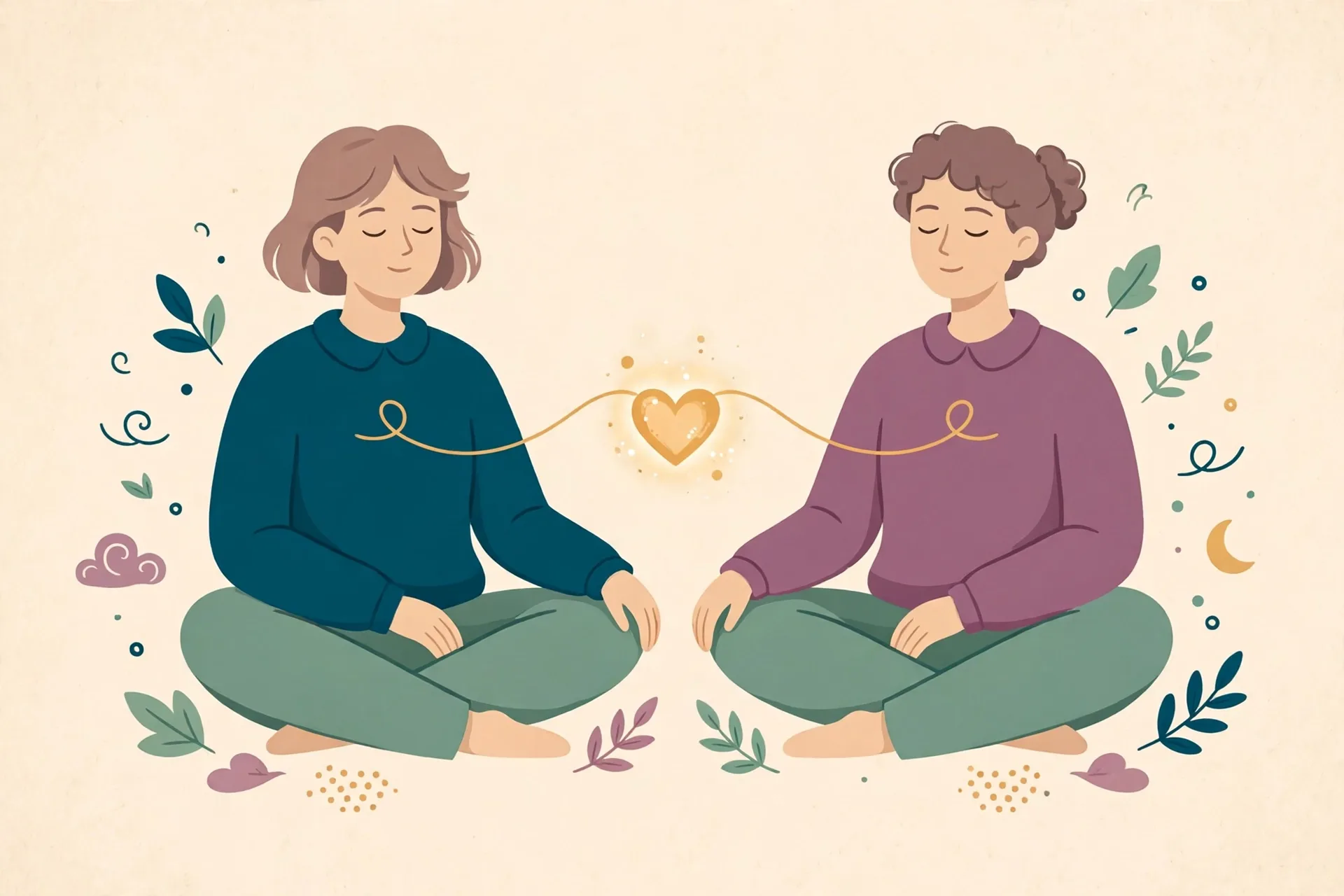
What you’ll learn
What is empathy, exactly?
Empathy has two parts: cognitive empathy (understanding someone's perspective) and emotional empathy (feeling with them). Both matter — understanding without caring is cold, caring without understanding misfires. Research shows empathy is partly trait, partly skill: perspective-taking exercises measurably improve it.
Can you learn to be more empathetic?
Yes. Studies show perspective-taking practice — imagining a day in someone's life, reading literary fiction, or simply asking 'what's that like for you?' — measurably increases empathic accuracy. Empathy behaves like a muscle: attention and repetition strengthen it, while chronic stress depletes it.
What's the difference between empathy and sympathy?
Empathy is feeling with someone ('I'm here with you in this'); sympathy is feeling for them from a distance ('I feel sorry for you'). Empathy connects, sympathy can separate. The practical difference: empathy listens and validates, sympathy often rushes to silver linings.
Keep exploring: couples therapy guide · how to find a therapist in Austin · mental health resources
Relationships run on empathy.
Couples therapy is essentially empathy training for two. Explore the guide or browse therapists near you.
Find care near you