
What's Your Attachment Style?
Eight questions about how you love, argue, and need space. Discover whether you lean secure, anxious, or avoidant — and what that means (and doesn't).
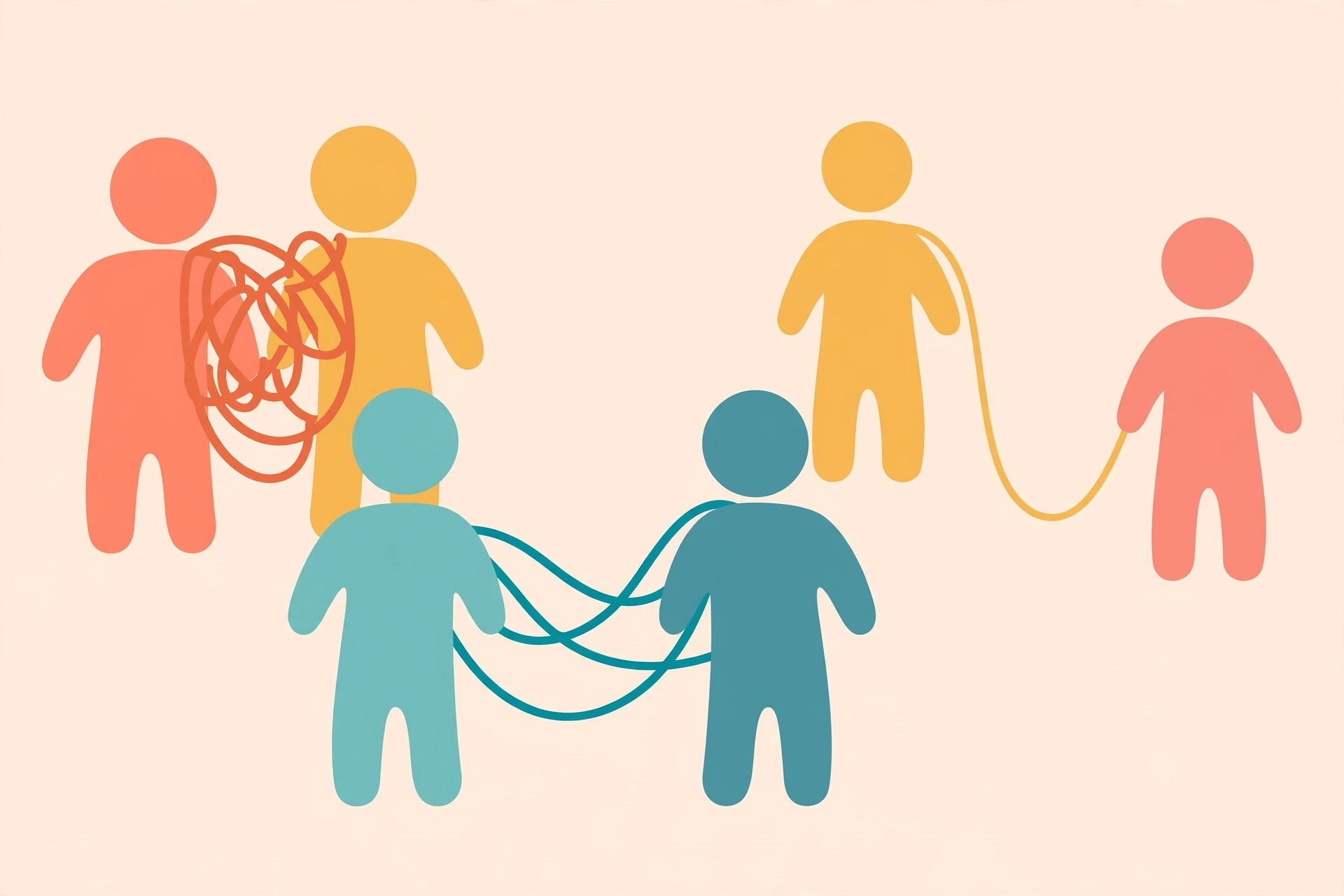
Learn more: the four attachment styles, briefly
- Secure. Comfortable with closeness and independence alike. Trusts easily, communicates directly, and recovers from conflict without spiraling. About half of people lean this way.
- Anxious-preoccupied. Craves closeness, worries about being abandoned, and reads deeply into small signals — a slow text reply can ruin a day. Very common, and very workable with awareness.
- Dismissive-avoidant. Values independence highly, finds emotional intensity draining, and pulls back when things get close. Often misread as "not caring" — usually it is self-protection.
- Fearful-avoidant (disorganized). Wants closeness but fears it — a push-pull pattern, often rooted in difficult early experiences. This one benefits most from professional support.
Attachment styles are not boxes. They are leanings that shift with partners, stress, and life seasons — and they can change with awareness and good therapy. A quiz result is a conversation starter, not a label.
Common questions
Can your attachment style change?
Yes. Attachment patterns are leanings, not life sentences. Research on 'earned security' shows that reflective work, healthier relationships, and therapy can shift an anxious or avoidant pattern toward secure over time. The first step is exactly what this quiz does: noticing the pattern while it's happening.
Is one attachment style the 'bad' one?
No. Each style is an adaptation — a strategy a nervous system learned for staying close and staying safe. Secure is the most comfortable to live in, and anxious or avoidant patterns can strain relationships, but none of them is a character flaw or a diagnosis.
Is this quiz a real attachment assessment?
No — it's a reflection tool. Clinicians and researchers use validated questionnaires (such as the ECR) and interviews to assess attachment. If your pattern is causing real distress in relationships, a therapist who works with attachment can help you understand it properly.
Keep exploring
More quizzes and tools based on what you just read.
Want to understand your patterns better?
Many therapists near you work specifically with attachment and relationships.
Find care near you